Robotic Retzius Sparing Radical Prostatectomy
The Key Things to Know:
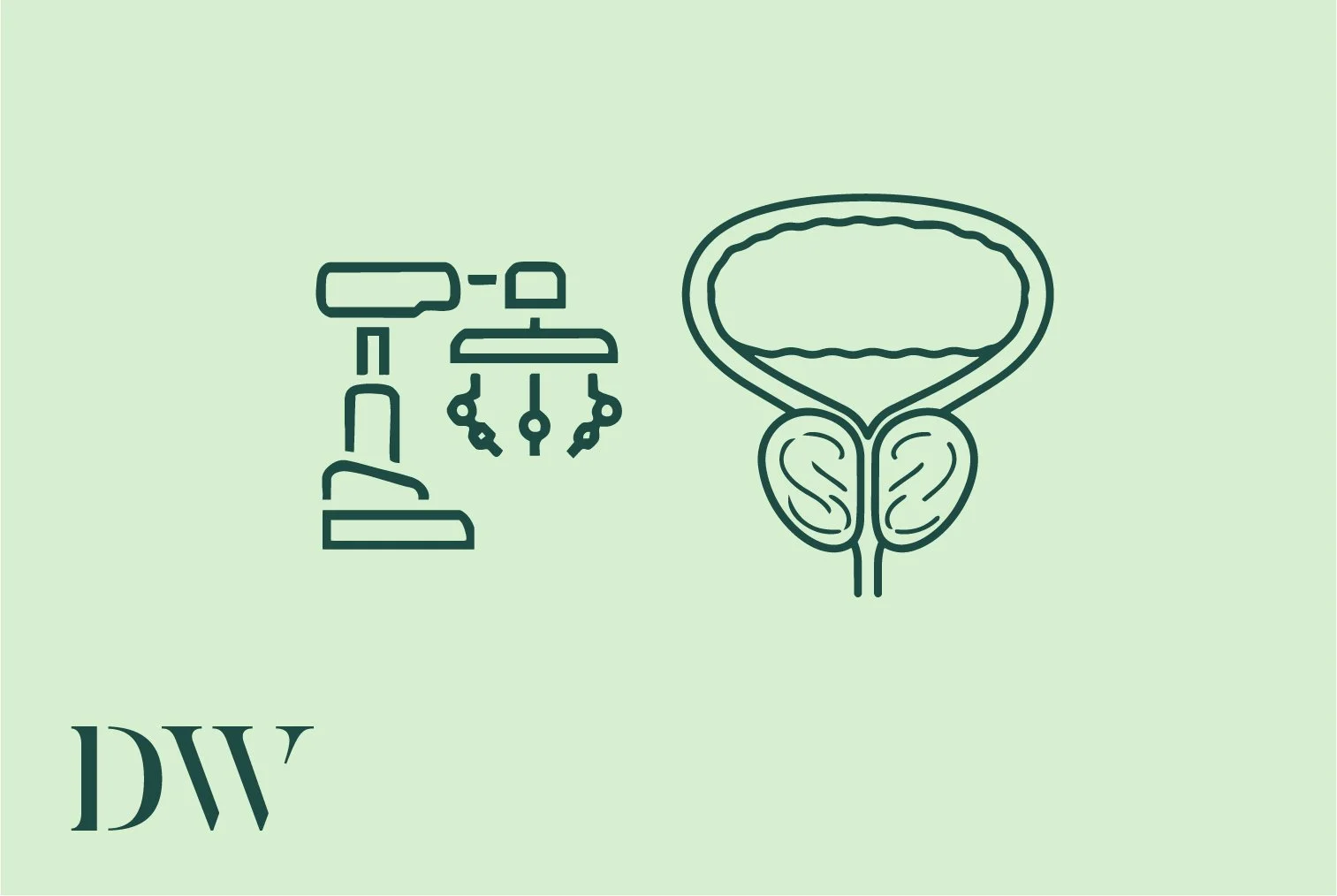
Retzius-Sparing Robotic Radical Prostatectomy (RS-RARP) is an advanced keyhole (robotic) technique for treating prostate cancer. It removes the prostate through the space behind the bladder, helping to preserve the structures that control urinary continence and support faster recovery of bladder control.
The Key Things To Know
Minimally invasive keyhole robotic surgery using the da Vinci® system
Performed through the space behind the bladder (Retzius-sparing)
Faster recovery of urinary control – around 80–90% pad-free by 3–6 months
Similar cancer control to standard robotic prostatectomy
Often just one night in hospital with rapid return to activity
What It Is
This technique removes the prostate while avoiding disruption of the front of the bladder (the Retzius space). By working behind the prostate, the surgeon preserves key structures that are vital for bladder control and sexual function, including:
The bladder-neck support structures
The urinary sphincter complex
The pelvic floor and neurovascular bundles
The operation is performed through several small incisions in the lower abdomen. The da Vinci® robotic system provides 3D-magnified vision and precise, tremor-free control, allowing delicate surgery around these vital structures.
When It's Needed
RS-RARP is usually recommended for men with localised prostate cancer (disease confined to the prostate). It may be suitable if you have:
Low to intermediate-risk prostate cancer suitable for surgery
A prostate of appropriate size and shape for keyhole surgery
Good general health to undergo anaesthesia
It may not be suitable for men with very large prostates, extensive previous pelvic surgery, or cancer extending outside the gland.
Benefits
Faster return of urinary control – 70–90% pad-free at 3 months
Earlier recovery of erections in selected men where nerve-sparing is possible
Equal or lower rates of positive surgical margins
Less disruption to bladder support and pelvic anatomy
Shorter hospital stay and faster overall recovery
Risks
All surgery carries some risks, although serious complications are uncommon. Your surgeon will discuss these with you in detail.
Common temporary effects:
Mild bleeding or infection (around 1–2%)
Short-term urinary leakage (improves with time)
Fatigue for 1–2 weeks
Less Common Risks
Erectile dysfunction (depends on nerve preservation)
Hernia or fluid collection (< 1%)
Positive cancer margin (≈ 10–20%)
What to Expect After Surgery
Hospital stay: Usually 1 night
Catheter: Kept in place for around 5–7 days
Pain: Generally mild and managed with tablets
Driving or light work: Often after 1–2 weeks
Return to sport or heavy activity: After 4–6 weeks
Follow-up: PSA blood test at around 6 weeks post-op
Continence: Most men regain good control within 6–12 weeks
Erections: May take 6–18 months to recover – treatments are available to help
FAQs
-
Not always, it depends on your anatomy, cancer stage, and prior surgery.
-
Yes. It has comparable cancer outcomes with faster recovery of bladder control.
-
Usually 2–3 hours under general anaesthesia.
-
Most men resume normal daily activity within 2 weeks and exercise after 4–6 weeks.
-
Further treatment such as radiotherapy can still be offered safely if required.
Discover Expert Urological Care
I specialise in precision urology using the latest robotic and minimally invasive techniques. Explore my approach, my procedures, and the care I provide at every stage of your journey.

About Dr. David Wetherell