Robotic Partial Nephrectomy
The Key Things to Know:
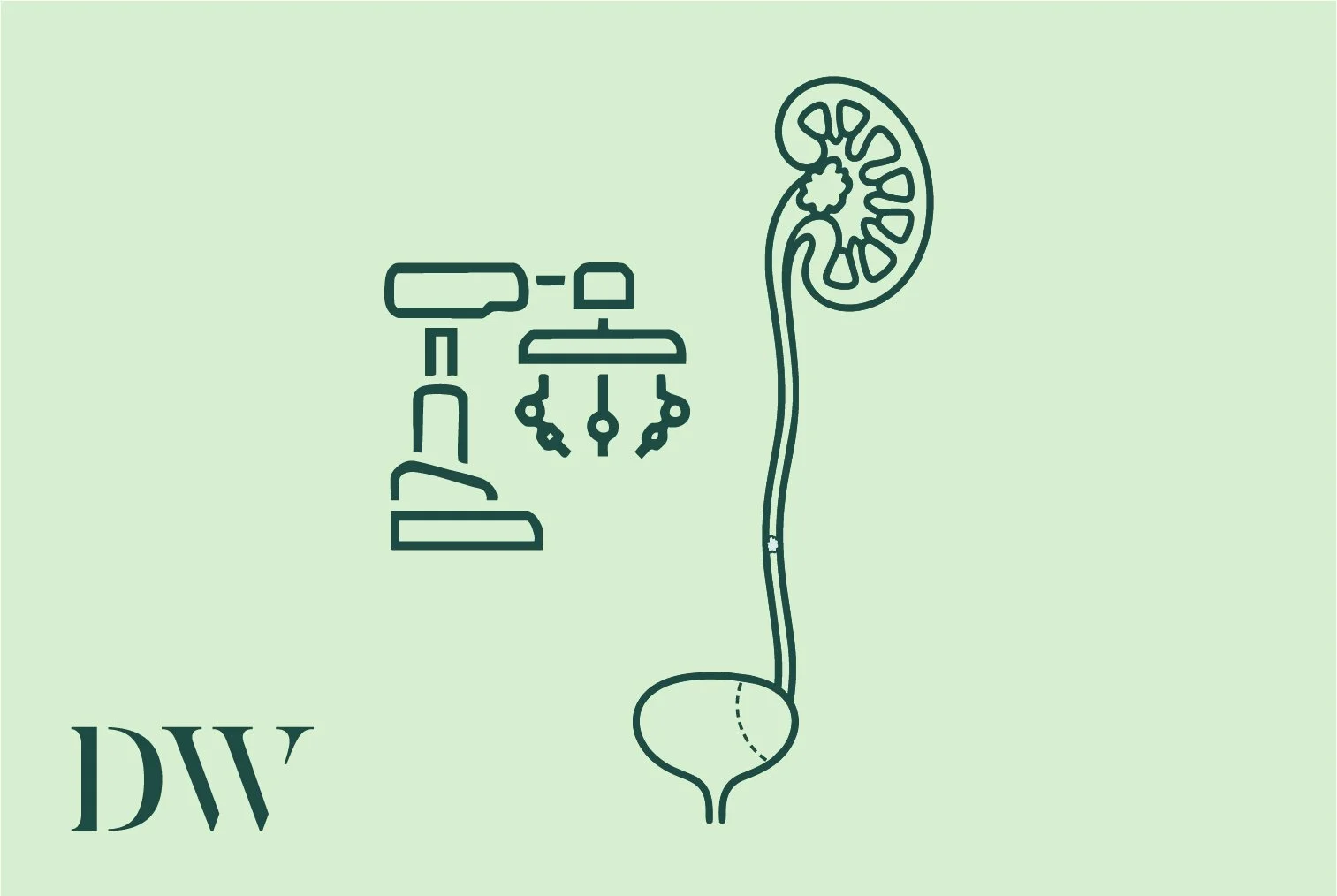
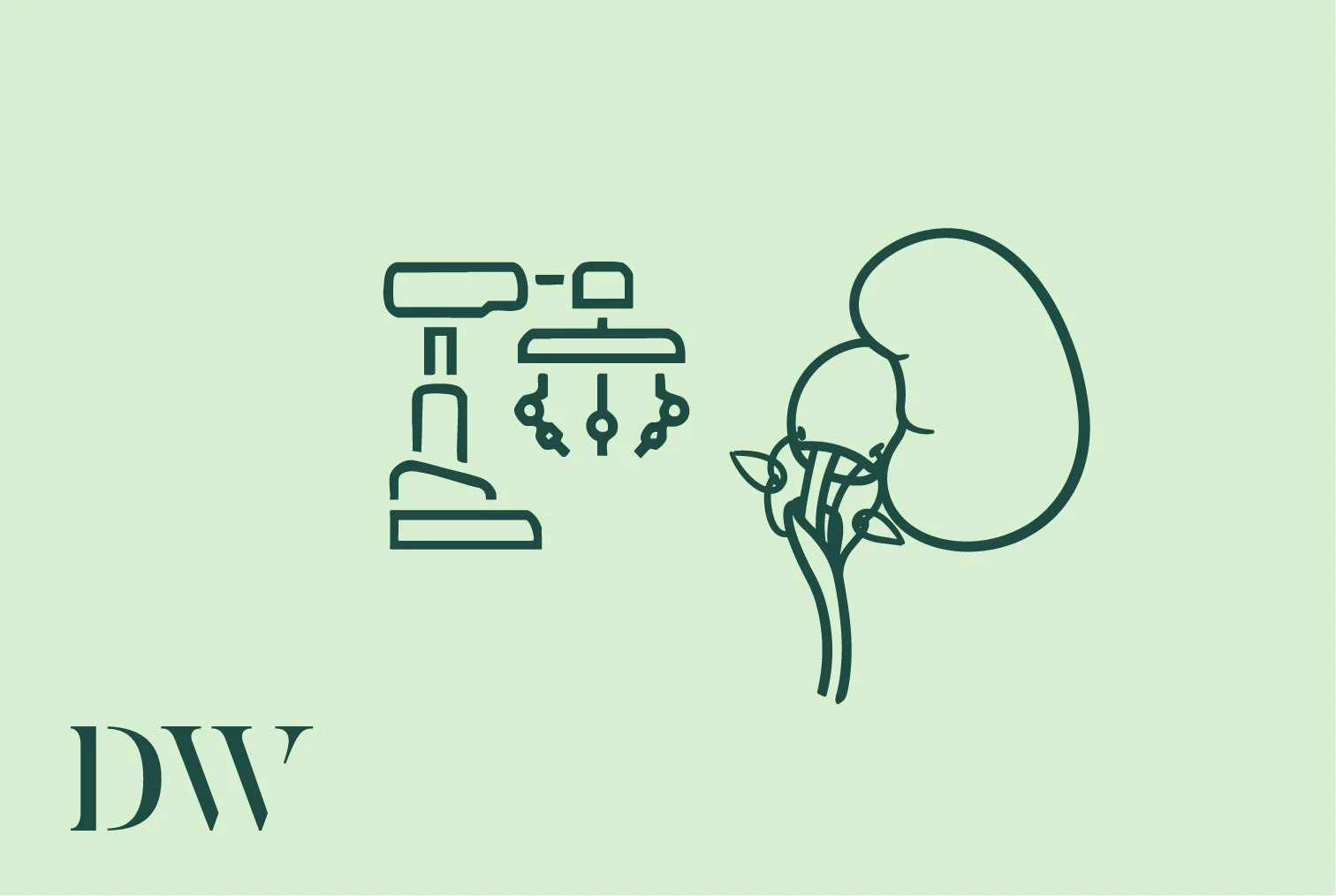
A robotic or laparoscopic partial nephrectomy is a minimally invasive operation to remove a kidney tumour while preserving the healthy portion of the kidney. It offers excellent cancer control for small kidney tumours (usually <4 cm) while maintaining kidney function.
What It Is
Under general anaesthetic, the surgeon uses robotic or laparoscopic instruments through several small incisions. The affected part of the kidney containing the tumour is carefully dissected and removed, while the rest of the kidney is preserved. The robotic system provides 3D vision and precise control for delicate suturing to reconstruct the kidney after tumour removal.
When It's Needed
Partial nephrectomy is recommended when:
The kidney tumour is small (usually <4 cm, but up to 7 cm in selected cases)
The tumour is localised and confined to the kidney
Both kidneys are functioning and kidney preservation is desirable
There is a solitary kidney or pre-existing kidney impairment
Benefits
Equivalent cancer control to full nephrectomy for small tumours
Preserves kidney function and reduces long-term risk of kidney failure
Minimally invasive with smaller incisions, less pain, and faster recovery
Hospital stay typically 1–3 days
Risks
Bleeding (≈3–5%)
Urine leak from repair site (≈3–8%)
Infection or wound complications (≈3–5%)
Temporary reduction in kidney function
Rare conversion to full nephrectomy (<2%)
What to Expect After Surgery
Most patients stay 1–3 days in hospital. A urinary catheter and drain are used for 1–2 days. Mild flank discomfort and fatigue are normal. You’ll be encouraged to walk early and gradually return to daily activity over 2–3 weeks. Avoid heavy lifting for 4–6 weeks. Follow-up scans are arranged to check healing and monitor for recurrence.
FAQs
-
Yes – the goal of partial nephrectomy is to remove only the tumour and preserve as much normal kidney as possible.
-
Robotic-assisted surgery allows greater precision and may reduce bleeding and complications compared to standard laparoscopy.
-
Cancer control rates exceed 95% for small, localised tumours.


Discover Expert Urological Care
I specialise in precision urology using the latest robotic and minimally invasive techniques. Explore my approach, my procedures, and the care I provide at every stage of your journey.

About Dr. David Wetherell