Robotic or Laparoscopic Nephrectomy
The Key Things to Know:
A robotic or laparoscopic nephrectomy is a minimally invasive operation to remove all or part of a kidney through small incisions using advanced camera and instrument technology. It is performed to treat kidney cancer, large benign tumours, or a severely damaged non-functioning kidney.
What It Is
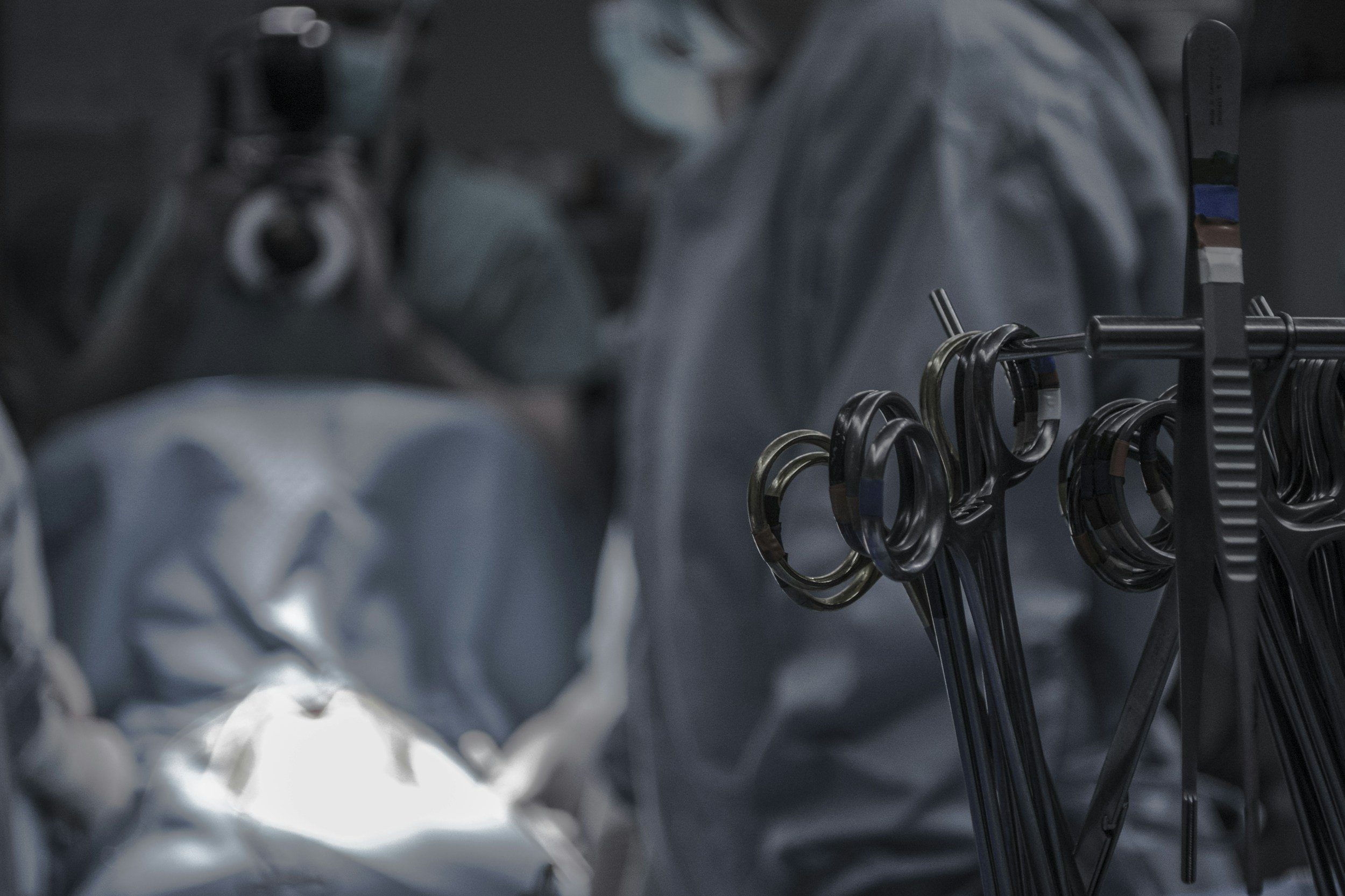
During the procedure, several small incisions (usually 5–10 mm) are made in the abdomen. The surgeon uses a high-definition camera and fine robotic or laparoscopic instruments to carefully dissect and remove the kidney. The specimen is removed through a small extraction site.
The robotic approach allows greater precision, stability, and 3D vision, which can improve outcomes compared with standard laparoscopy.
When It's Needed
Nephrectomy may be recommended for:
Localised kidney cancer (most common reason)
A non-functioning or severely scarred kidney
Large benign tumours or cysts
Severe kidney damage from obstruction or infection
Benefits
Minimally invasive – smaller incisions, less pain
Shorter hospital stay (typically 1–3 days)
Faster recovery compared to open surgery
Low complication and transfusion rates (<5%)
Excellent cancer control for localised tumours
Risks
Bleeding (≈2–4%)
Infection or wound complications (≈3–5%)
Injury to nearby organs or bowel (rare, <1%)
Hernia at incision site (≈1–2%)
For radical nephrectomy – loss of kidney function (remaining kidney usually compensates)
What to Expect After Surgery
Most patients stay in hospital for 1–3 days. A urinary catheter and sometimes a drain are used briefly. You can expect mild discomfort around the incision sites and some fatigue for a week or two. Walking and light activities are encouraged early. Avoid heavy lifting for 4–6 weeks.
FAQs
-
Usually not – the remaining kidney typically maintains normal function.
-
Most patients return to normal daily activity within 2–3 weeks and full recovery within 4–6 weeks.
-
Both are safe and effective; the robotic approach offers greater precision and vision, which may reduce blood loss and speed recovery.



Discover Expert Urological Care
I specialise in precision urology using the latest robotic and minimally invasive techniques. Explore my approach, my procedures, and the care I provide at every stage of your journey.

About Dr. David Wetherell