Kidney Stones
Performed by Dr. David Wetherell
Kidney stones are a common cause of pain and urinary symptoms and can vary widely in size and location. This page outlines the main treatment options for kidney and ureteric stones, with clear information about what each procedure involves, when it may be recommended, and what to expect during recovery.
Ureteroscopy and Laser Stone Removal
•
Percutaneous Nephrolithotomy (PCNL)
•
Shockwave Lithotripsy (ESWL)
•
Ureteroscopy and Laser Stone Removal • Percutaneous Nephrolithotomy (PCNL) • Shockwave Lithotripsy (ESWL) •
Ureteroscopy and Laser Stone Removal
The Key Things to Know:
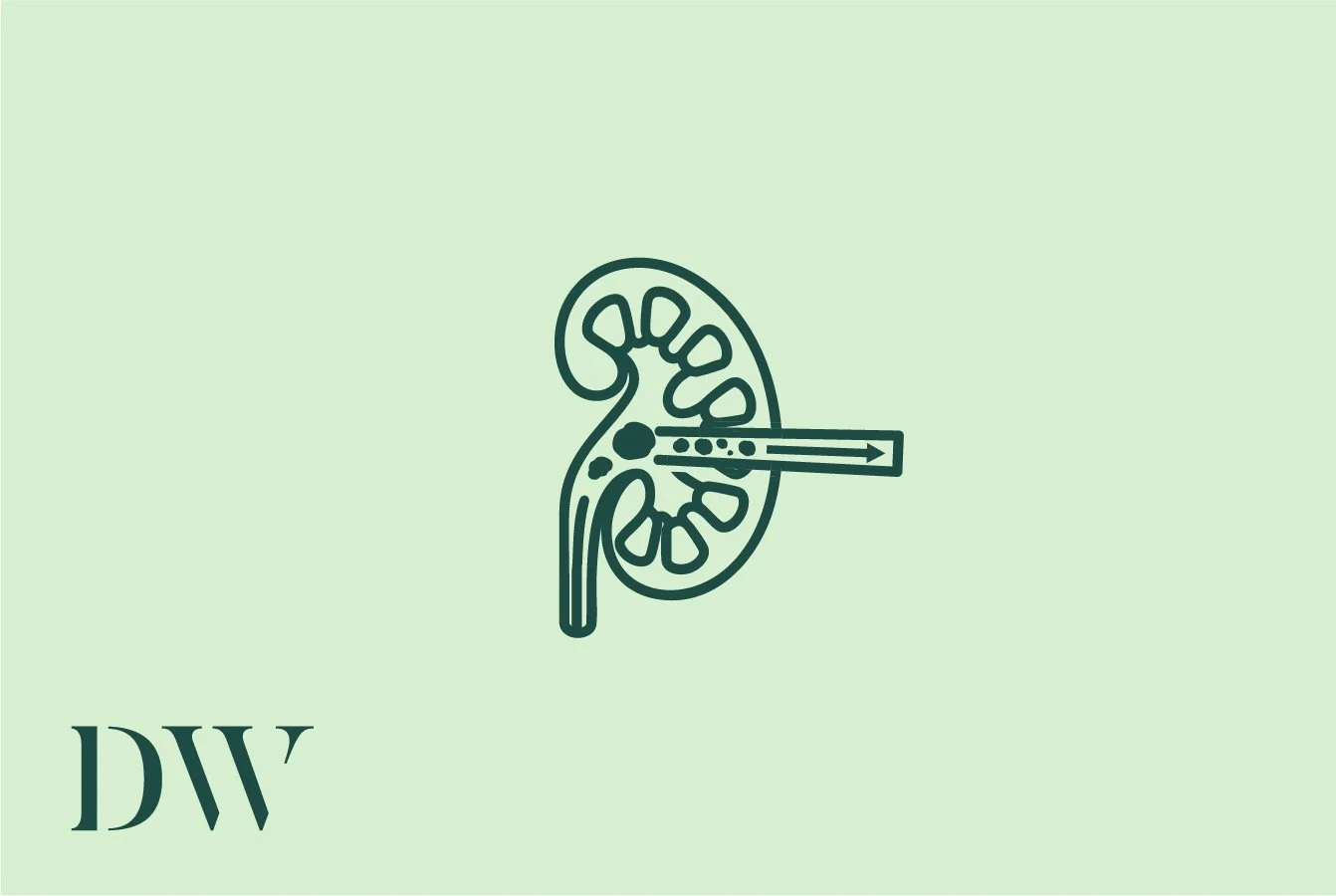
A Ureteroscopy with laser stone removal is a minimally invasive procedure used to treat kidney and ureteric stones. A small telescope (ureteroscope) is passed through the urethra and bladder into the ureter, where a laser is used to fragment or remove stones. It avoids the need for open surgery and is one of the most common and effective treatments for urinary stones.
What It Is
Under general anaesthetic, a thin telescope (ureteroscope) is inserted via the urethra into the bladder and up the ureter to the stone. A laser fibre is then used to break the stone into tiny fragments, which may be removed with a small basket or left to pass naturally. In most cases, a soft internal stent (a temporary drainage tube) is placed to keep the ureter open and aid healing.
When It's Needed
Ureteroscopy is performed when: - Stones are too large to pass naturally - Pain, infection, or obstruction is present - Shockwave lithotripsy (ESWL) has failed - Stones are located in the ureter or kidney and causing symptoms
Surgery Diagram
Benefits
No skin incision - all done via natural passage
High success rate (>90%) for stone clearance
Day procedure with fast recovery
Suitable for stones in the ureter or the kidney
Risks
Mild pain, urgency, or frequency from the temporary stent
Blood in urine for a few days
Urinary infection (1-3%)
Rare ureteric injury or narrowing
Possible need for repeat procedure if
fragments remain
What to Expect After Surgery
Most patients go home the same day. Mild discomfort or blood-stained urine is common for several days. If a stent is placed, you may feel flank discomfort or urinary urgency until it is removed (usually after 1-2 weeks). Drink plenty of fluids and avoid strenuous activity for 3-5 days.
FAQs
-
A temporary stent is often placed to allow healing and prevent blockage.
-
Yes. The laser targets only the stone and does not harm the surrounding tissue when used properly.
-
Most people return within a few days, depending on their comfort and job type.
Percutaneous Nephrolithotomy (PCNL)
The Key Things to Know:
Percutaneous Nephrolithotomy (PCNL) is a keyhole procedure to remove large or complex kidney stones directly from the kidney. It is minimally invasive, highly effective, and recommended whenother treatments such as ureteroscopy or shockwave lithotripsy (ESWL) are unlikely to succeed.
What It Is
Under general anaesthetic, a small incision (about 1 cm) is made in the back to access the kidney.
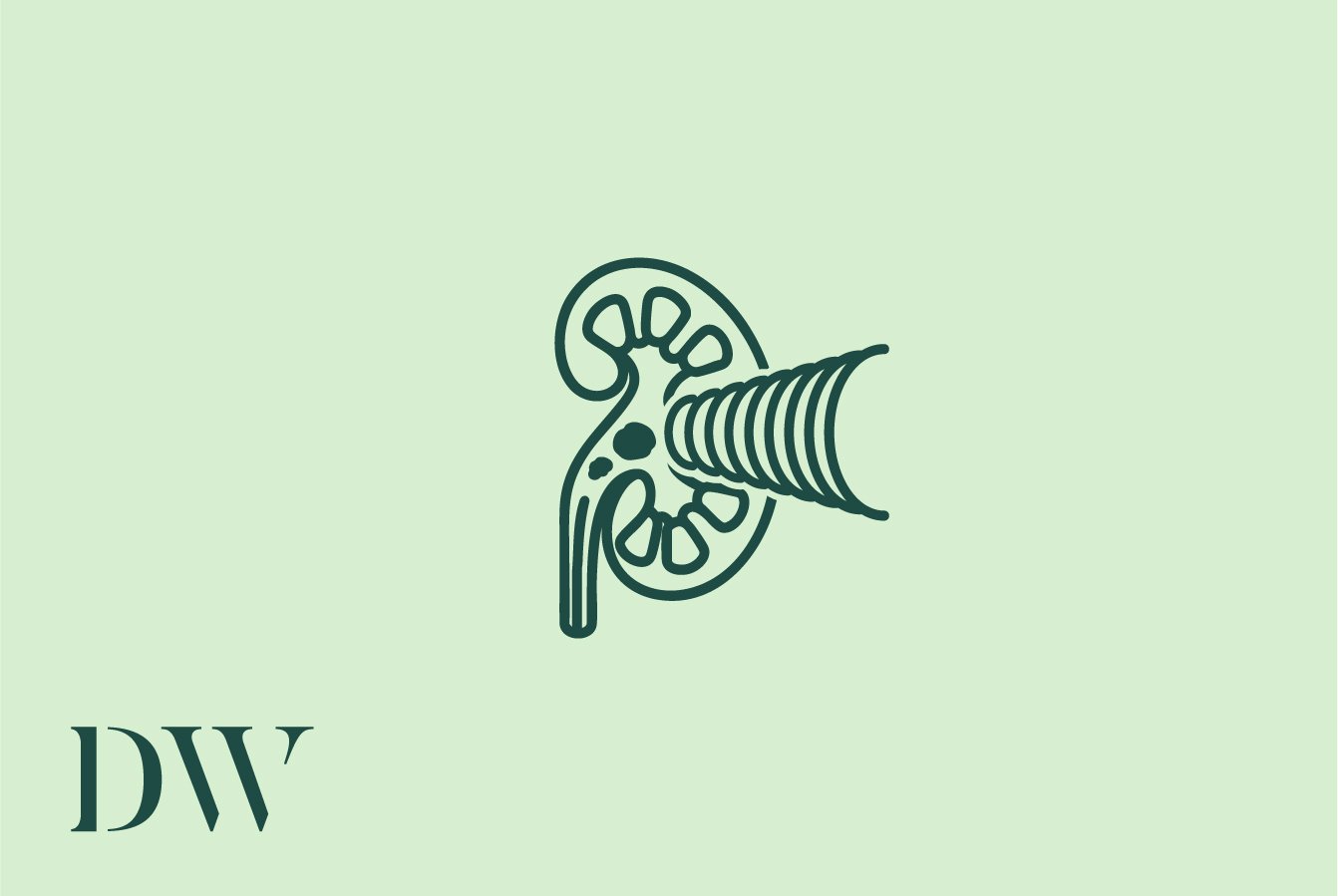
A telescope (nephroscope) is passed through a hollow tube placed under X-ray or ultrasound guidance. Stones are broken into smaller pieces using ultrasonic, pneumatic, or laser energy and removed. A temporary drainage tube or internal stent may be left to assist healing.
When It's Needed
PCNL is usually recommended for:
Kidney stones larger than 2cm in diameter
Complex or staghorn stones
Multiple stones in the same kidney
Stones resistant to ESWL or Ureteroscopy
Surgery Diagram
Benefits
High success rate for large or complex stones (≈90-95%)
Small incision - minimally invasive approach
Ability to treat multiple stones in one session
Faster recovery than open surgery
Risks
Bleeding (3-5%) - occasionally needing transfusion
Infection or fever (up to 10%)
Temporary urine leakage or need for a nephrostomy tube
Rare injury to kidney or nearby organs (<1%)
Residual stones requiring a second procedure (10-15%)
What to Expect After Surgery
You’ll usually stay in hospital for 1-2 days. A drainage tube from the kidney may stay in place for 24-48 hours. Mild flank pain and blood-stained urine are common for several days. Drink plenty of water, avoid heavy lifting for 2 weeks, and attend follow-up imaging to confirm clearance.
FAQs
-
Yes - a small 1 cm scar on the back, usually barely visible.
-
Most people return to light duties within a week and full activity within 2-3 weeks.
-
Yes - recurrence occurs in up to 30-40% of patients over several years. Preventive measures and follow-up are important.
Shockwave Lithotripsy (ESWL)
The Key Things to Know:
Shockwave Lithotripsy (ESWL) is a non-invasive treatment that uses focused sound waves to break kidney or ureteric stones into smaller fragments so they can pass naturally in the urine. It is effective for many stones up to about 1cm in size and avoids the need for surgery.
What It Is
ESWL is performed using a machine that generates shockwaves, focused precisely on the stone using X-ray or ultrasound guidance. The waves travel harmlessly through the skin and body tissues until they reach the stone, breaking it into smaller pieces. The treatment usually takes 30-45 minutes and is performed as an outpatient or day procedure under light sedation or analgesia.
When It's Needed
ESWL is recommended when:
Stones are less than 1 cm in size and visible on X-ray
Stones are located in the kidney or upper ureter
There is no active infection or severe obstruction
The patient prefers a non-surgical option
Surgery Diagram
Benefits
Non-invasive - no incision or scope
Day procedure with minimal recovery time
High success rate for suitable stones (≈70-85%)
Repeatable if needed
Risks
Mild back or flank discomfort during treatment
Blood in urine for a few days (common)
Stone fragments may cause temporary pain or obstruction (≈10-15%)
Infection or fever (≈5%)
Bruising of the skin or kidney (rare)
Occasionally, multiple sessions are needed for complete clearance
What to Expect After Treatment
You can go home shortly after ESWL. Drink plenty of fluids to help flush out fragments. Some discomfort or blood in the urine is normal for a few days. Pain from passing stone fragments may occur as they move down the ureter. Follow-up imaging is arranged to confirm clearance, usually within 4-6 weeks.
FAQs
-
Best results occur for stones less than 1 cm and located in the kidney or upper ureter. Hard or large stones may need other treatments.
-
Fragments usually pass over several days to weeks after treatment.
-
Yes, about 15-25% of patients require a repeat ESWL session for complete clearance.
Discover Expert Urological Care
I specialise in precision urology using the latest robotic and minimally invasive techniques. Explore my approach, my procedures, and the care I provide at every stage of your journey.