Percutaneous Nephrolithotomy (PCNL)
The Key Things to Know:
Percutaneous Nephrolithotomy (PCNL) is a keyhole procedure to remove large or complex kidney stones directly from the kidney. It is minimally invasive, highly effective, and recommended whenother treatments such as ureteroscopy or shockwave lithotripsy (ESWL) are unlikely to succeed.
What It Is
Under general anaesthetic, a small incision (about 1 cm) is made in the back to access the kidney.
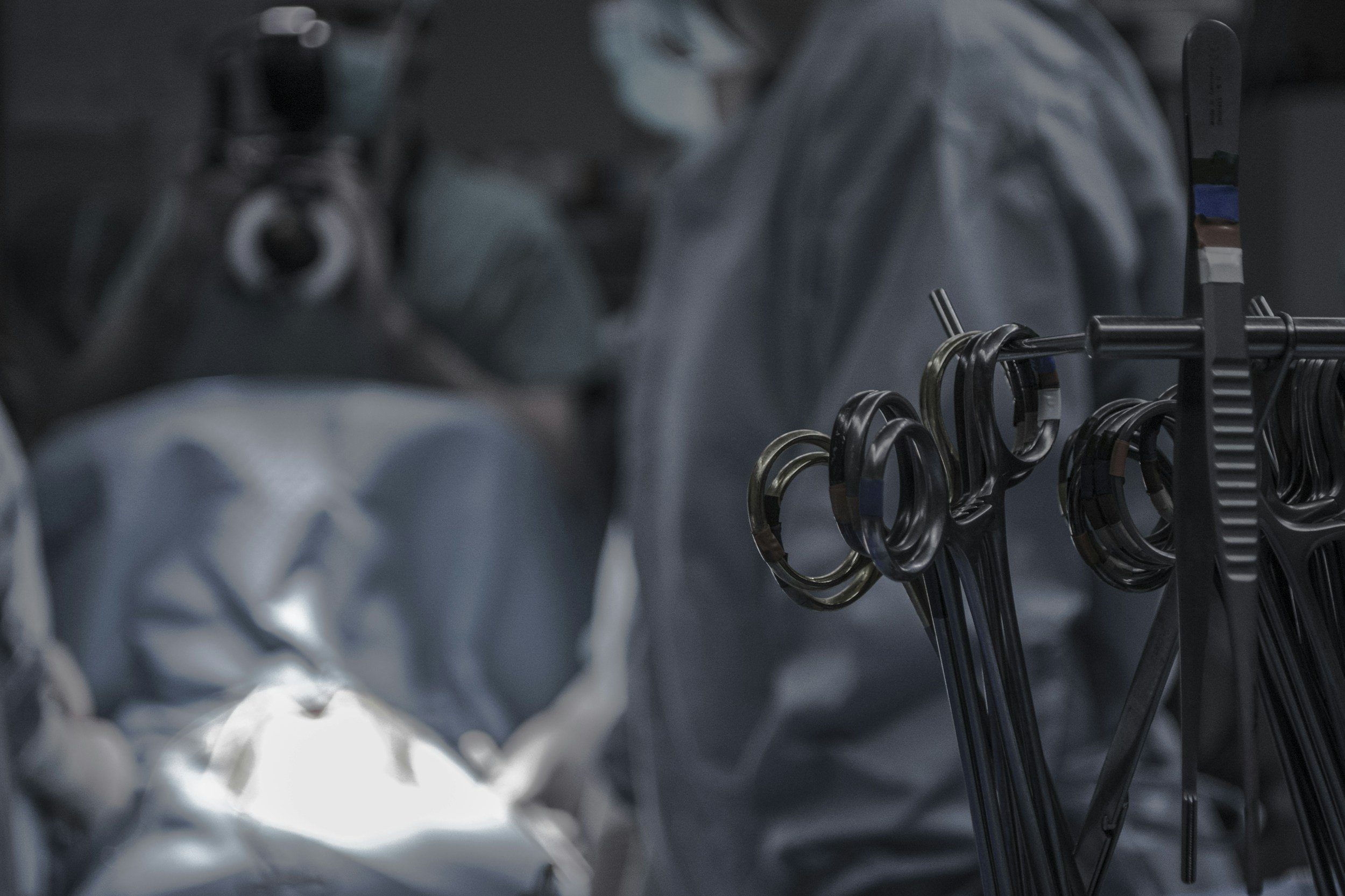
A telescope (nephroscope) is passed through a hollow tube placed under X-ray or ultrasound guidance. Stones are broken into smaller pieces using ultrasonic, pneumatic, or laser energy and removed. A temporary drainage tube or internal stent may be left to assist healing.
When It's Needed
PCNL is usually recommended for:
Kidney stones larger than 2cm in diameter
Complex or staghorn stones
Multiple stones in the same kidney
Stones resistant to ESWL or Ureteroscopy
Benefits
High success rate for large or complex stones (≈90-95%)
Small incision - minimally invasive approach
Ability to treat multiple stones in one session
Faster recovery than open surgery
Risks
Bleeding (3-5%) - occasionally needing transfusion
Infection or fever (up to 10%)
Temporary urine leakage or need for a nephrostomy tube
Rare injury to kidney or nearby organs (<1%)
Residual stones requiring a second procedure (10-15%)
What to Expect After Surgery
You’ll usually stay in hospital for 1-2 days. A drainage tube from the kidney may stay in place for 24-48 hours. Mild flank pain and blood-stained urine are common for several days. Drink plenty of water, avoid heavy lifting for 2 weeks, and attend follow-up imaging to confirm clearance.
FAQs
-
Yes - a small 1 cm scar on the back, usually barely visible.
-
Most people return to light duties within a week and full activity within 2-3 weeks.
-
Yes - recurrence occurs in up to 30-40% of patients over several years. Preventive measures and follow-up are important.

Discover Expert Urological Care
I specialise in precision urology using the latest robotic and minimally invasive techniques. Explore my approach, my procedures, and the care I provide at every stage of your journey.

About Dr. David Wetherell